Zerodha came to Domy with a website problem. Customer conversations revealed a trust problem. Our team brought real customers into the experience, simplified sign-up and made the economics easier to understand. My role was to create the environment for that team to find and solve the right problem.
A better-looking website wasn’t the real problem.
Zerodha was still a small discount brokerage. Traditional brokers charged a percentage of trade value. Zerodha offered a flat ₹20. What sounds familiar today could sound suspiciously cheap then.
People reached the website, but most weren’t becoming customers. We could have started with navigation, layout, colours or typography. We started talking to customers.
The people already using Zerodha were remarkably happy with it. Prospective customers simply couldn’t see them.
What if the customers did the convincing?
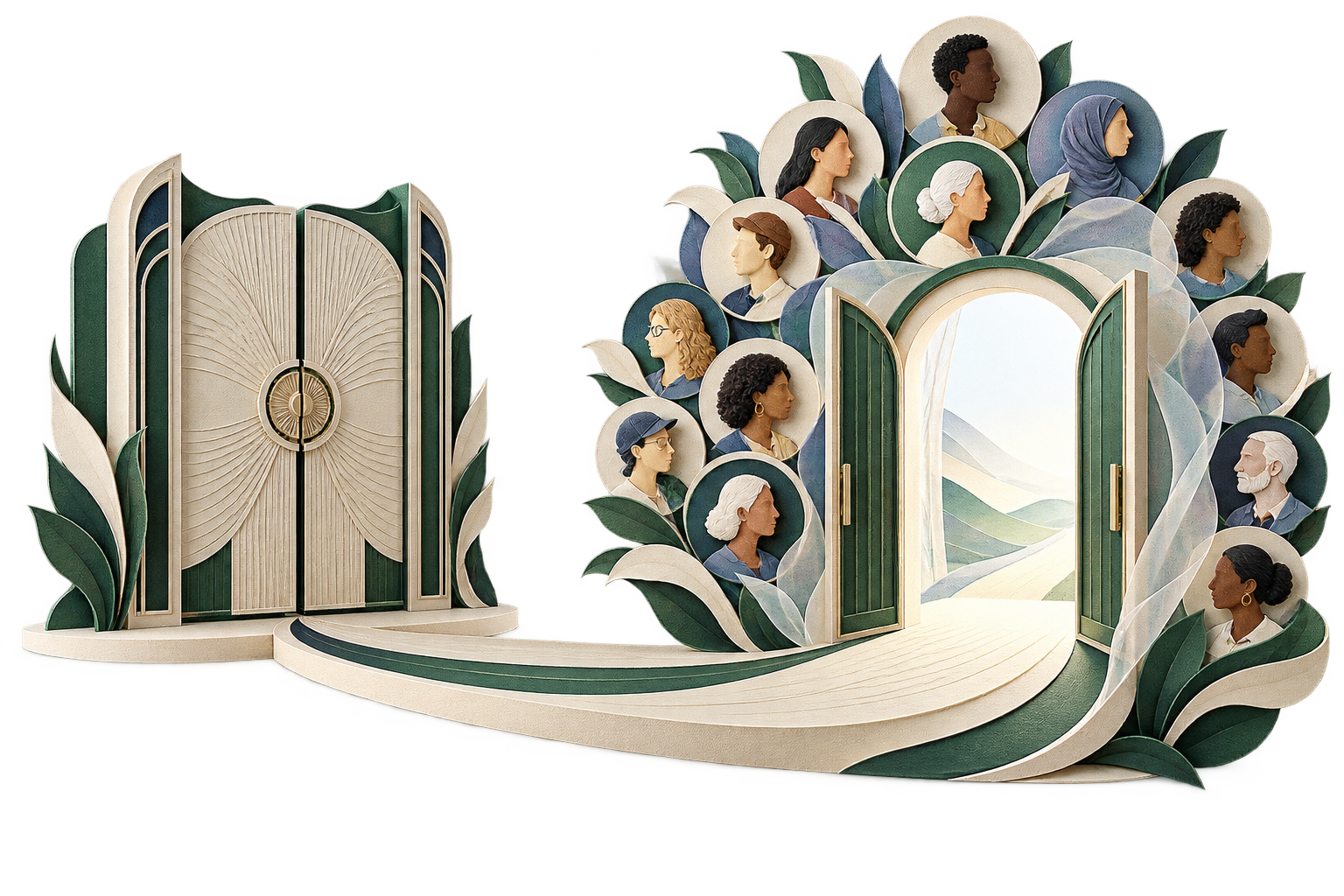
We collected genuine feedback and photographs. Hundreds of responses came in. Instead of placing three testimonials at the bottom of a page, the team created a dynamic face-pile of actual customers.
Different faces appeared as people returned. Hovering over a face revealed what that customer had said.
The claim became less “Trust us” and more “Here are the people who already do.”
We made the next step easier, and the costs clearer.
The account-opening journey asked too much of people who hadn’t yet decided whether Zerodha deserved the effort. The existing experience was losing about 95% of visitors before sign-up.
Lead conversion subsequently improved sharply. I don’t have a defensible percentage for that improvement, so I leave it out.
We also worked on the brokerage calculator. If the proposition was lower trading costs, people should be able to calculate and compare them. Customer testimony helped build confidence. Transparency helped people judge the proposition for themselves.
This was the team’s work. My role was to enable it.
Abin led the UX work, with other designers and technologists contributing their expertise. By then, I was building Domy. My job was increasingly to create the environment in which a team could understand the right problem and do good work on it, then help shape the work through questions, feedback and a nudge in the right direction.
Perhaps that’s why working with LLMs feels familiar today. They do much of the heavy lifting; I help steer and refine the output towards the outcome we’re trying to achieve.
Turning “we” into “I” would erase an important part of the story: the better I became at building teams, the less the best work needed to come directly from my hands.
The brief named the artefact. Research revealed the problem.
Zerodha later grew far beyond the company we first encountered. Our work was one contribution among many, not an explanation for that growth.
We helped an early discount broker address why people hesitated to believe its proposition. That understanding gave the design decisions a clearer purpose.
The question I carried forward was simple: before designing the solution, are we sure we’ve found the problem?
Read how trust became the problem at FYERS